

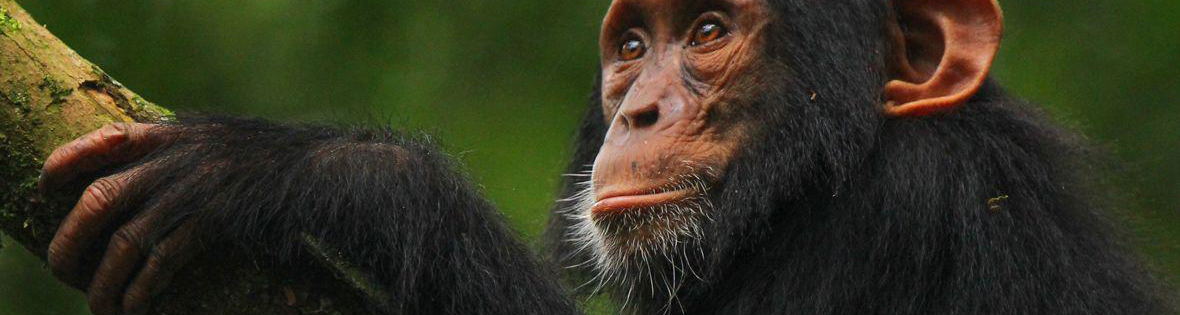


On July 28, 2026, Uganda was officially declared Ebola-free by the Ministry of Health after completing the required 42-day observation period with zero new cases. The announcement marks a critical turning point for the nation, confirming that health systems have successfully contained the outbreak and that Uganda is safe and fully open for international travelers
MY WORLD TOURISM DAY EXPERIENCE
Posted by Joy on Mon October 5, 2026.
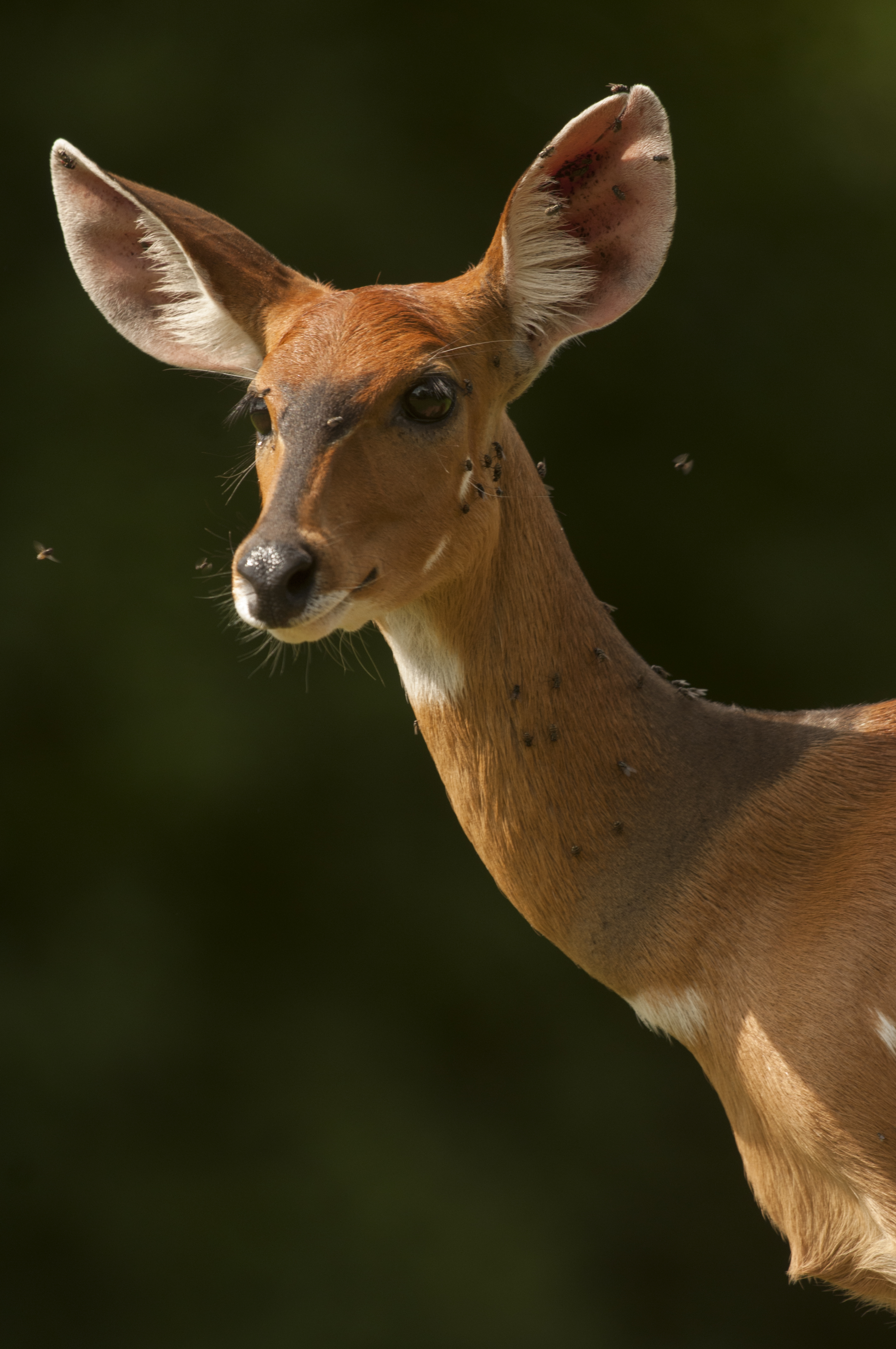
Reconnecting with the Pearl: Lessons & Highlights from World Tourism Day in Mbale
By Agaba Joy Promise (with MJ Safaris Uganda)
Living in Kampala city, it's easy to fall into the relentless cycle of daily routine—traffic, work, meetings, and stress. But step outside the capital, and you are immediately reminded why Uganda holds the undisputed crown as the Pearl of Africa.
For this year’s World Tourism Day celebrations in Mbale City, Eastern Uganda, I embarked on a journey alongside James Mwere, CEO and Founder of MJ Safaris Uganda. What started as a trip to attend an official event quickly transformed into an eye-opening adventure through Uganda’s rich landscapes, historical routes, and vibrant eastern culture.
Uganda is beautiful. Not in the way we say it because it is our country, but in its actual, undeniable sense.
Living in Kampala, whether employed or not, makes it easy to get trapped in the same routines. You wake up, go to work, look for work, run businesses, attend meetings, fight traffic, go home, sleep, and repeat. Unless someone deliberately steps outside that routine, you can live in Uganda for years and still not really know Uganda; that thought stayed with me throughout my trip to Mbale for this year’s World Tourism Day.
Before I get into my experience, I want to appreciate the Uganda Tourism Board, the Ministry of Tourism, Wildlife and Antiquities, Uganda Wildlife Authority and the many tourism stakeholders who continue to create opportunities for Ugandans to experience their own country. This year’s program included Open Park Days, with free entry to selected savannah national parks from September 25th to 27th, alongside a wider program of exhibitions, sports, cultural activities and the main World Tourism Day celebration in Mbale.
Growing up, most of us knew Uganda’s tourist attractions because we studied them in school: Murchison Falls, Sipi Falls, Bwindi Impenetrable Forest for gorilla trekking tours, the national parks, the mountain gorillas. We knew the names and knew the stories; we could probably reproduce the paragraphs from our textbooks in an examination, but knowing that something exists and actually experiencing it are two very different things. My first real encounter with a tourism destination outside the usual Kampala routine happened through an initiative designed to open Uganda’s tourism spaces to Ugandans themselves. That, for me, is significant: the Pearl of Africa should not be a place we only sell to foreigners; we should know it too.
5 Key Takeaways from the Journey to Eastern Uganda
1. Rediscovering the Road: Development & History
Before setting off, I reached out to my friend Kenema Immaculate, who helped arrange my trip through MJ Safaris Uganda. I travelled with James Mwere, CEO and founder of MJ Safaris Uganda, and what began as a journey to attend World Tourism Day quickly became a tourism experience of its own. We took the Kampala-Kayunga route, and one of the first things that caught my attention was how much development has happened along roads that once felt much more rural. There were new settlements, businesses, and activity appearing along the route. It reminded me that development can begin with something as basic as a road; areas that once looked sparsely inhabited are changing. It may not yet look as magical as many Ugandans would like it to, but it is something that warmed my heart to see.
We eventually connected towards Jinja city, the adventure capital of East Africa known for white water rafting tours, passing familiar landmarks and the famous bridge as we entered the city. Along the way, I also learned something I had somehow never known despite having been to Jinja before: the Madhvani-linked road infrastructure in Jinja has a long history, as does the Madhvani sugar factory in Kakira. The first of its kind, a major dual-carriageway section built to serve the sugar works, is now used by nearly the entire country, as imports and exports use this road. It was one of those moments when you realize how much of your own country you have travelled through without actually knowing.
The industrial operations associated with the Madhvani sugar enterprise have set up a community around where operational workers, families, schools, health services, and other facilities are connected to the estate. A child born into such a community could spend most of their early life surrounded by everything they need before eventually leaving for university or other opportunities. That was tourism for me too, not necessarily as a tourist attraction, but discovering the stories behind places I had previously only passed. Thank you, my personal tour guide, James Mwere.
There then came the village names; some of them genuinely made me laugh, but others struck a chord; you hear names like Gadumire and others in news reports, during political seasons, weather stories, or reports about disasters. Then suddenly you are physically passing the signpost. Oh! So THIS is where Gadumire is.” And then there was the landscape: green, Wide, Open, Quiet, swampy wetlands. Uganda has so much land outside its urban centers that driving through it can almost feel therapeutic. There were stretches where trees formed natural avenues along the road, enormous wetlands opened out towards the horizon, and the landscape seemed to keep going beyond what the eye could capture. I remember looking at the wetlands around the Mpologoma River and Namatala River systems, the vast land available, and I began wondering why we have become so determined to squeeze ourselves into cities, but of course, I understand why. Cities bring opportunity, yet there is an unspoken peace outside the city that I think many of us have forgotten exists.
The number of petrol stations along the highway amused me. With the volume of heavy trucks moving goods along that corridor, it was reassuring to see fuel stations distributed along the route; I couldn’t possibly imagine a driver stranded somewhere in the middle of nowhere.
2. Mbale’s Surprising Economic Energy
We reached Mbale at night; it was a 6-hour trip considering the traffic we encountered in Iganga. My first impression surprised me; I did not feel the dramatic transition from Kampala into what many Kampala residents might imagine to be a much smaller, quieter, more rural world. I am not saying Mbale has the same number of tall buildings, businesses, or hotels as Kampala; I am saying that when you enter the city, you feel activity, the Industrial spirit, and Life. The industrial presence along the wider Tororo-Mbale corridor was particularly striking, with major cement and manufacturing facilities contributing to the sense of an economically active Eastern Uganda. I had initially associated what I was seeing with Tororo Cement, but checking later showed that Tororo Cement’s factory is actually in Tororo. Either way, what I saw that night was enough to make one thing very clear to me: development is happening outside Kampala. The city was well lit, busy, and still awake late into the night; it did not feel rural. I believe that matters because sometimes the picture we create in our minds about places we have never visited is completely different from what we actually find when we get there.
3. A Homely Stay at Mount Elgon Hotel & Spa
We proceeded to Mount Elgon Hotel & Spa, where we spent the night. The hotel, a renovated heritage property, was officially commissioned by the President of Uganda, HE President Yoweri Kaguta Museveni, during the World Tourism Day weekend. Its position gives it beautiful views towards Wanare Foot Hill to mount Elgon. What I personally enjoyed most was the feeling of the place; the food was good, and the service was good, facilities were impressive, yet somehow, my stay felt more homely than hotel-like. It did not feel like I was being processed through a hotel experience.
4. Conservation Beyond Textbooks: Mbale Wildlife Conservation Education Centre
Before the official World Tourism Day program became busy, I had some personal time to take in my surroundings. I had breakfast, went swimming at the hotel, and eventually headed out with James Mwere and other tourism stakeholders, including Uganda Tourism Board CEO Juliana Kagwa, to visit the Mbale Wildlife Conservation Education Centre. The center is one of the most interesting developments I encountered during the trip because it brings wildlife conservation education closer to people in Eastern Uganda. It was visited by President Museveni as Uganda’s first regional wildlife conservation education center of this kind, with plans for similar regional approaches elsewhere. I understood the idea immediately: why should a child have to grow up knowing a lion only from a textbook?
At the center, I saw animals that I normally associate with a safari. There were ostriches, zebras, waterbucks, impalas, peacocks and lions, among others. And I learnt things that genuinely surprised me; for example, I had never really thought about the difference between male and female ostriches. The male is predominantly black, while the female has different, more muted coloring. Then there were the peacocks, the spectacular bird spreading all those magnificent colors; It's male! The female, the peahen, is much more subdued in color, which helps with camouflage while nesting. Suddenly, an animal I had seen countless times in pictures had a whole new story. There was also something beautiful about seeing different animals being kept in spaces where they could exist alongside one another in a controlled environment. Then we got to the lions, two enormous lions sleeping. I mean, completely uninterested in us. One would occasionally open an eye, look at us as if to say, “Are you people still here?” and go straight back to sleep. I learnt that lions can spend much of the day, 16 to 20 hours, resting and conserving energy, particularly during hot periods, because much of their hunting activity happens later in the night. Standing there, I couldn’t help wondering: if I were walking through a game park and the lions were sleeping, would they even have the energy to chase me? The answer, of course, is that I would not be volunteering to find out. Everyone remarked how lazy the lion is, and in my mind I thought, okay, okay, let's not test that theory. The visitors entering the lion's den areas have to follow strict hygiene procedures, including disinfecting footwear, because human-borne pathogens can make them sick. Suddenly, tourism wasn’t just about seeing animals; it was about understanding them through different revealing facts about their ways and habitat.
While visiting the center, another conversation caught my attention: the school children. There was concern among some stakeholders about the practical requirements involved in taking school children to tourism and wildlife facilities. The issue was not the importance of protecting children; nobody was arguing against that. The question was whether some of the administrative requirements could unintentionally make school trips unnecessarily difficult. One suggestion from James Mwere was particularly interesting to me: involving professional tour operators and guides more deliberately in school trips. If schools had designated or partnered tour guides who could help coordinate such journeys, there would be an additional layer of professional oversight, from movement and timing to accountability, safety, and interpretation. That, to me, sounded like a conversation worth having because we cannot say we want Ugandan children to know Uganda while making it practically impossible for them to experience it.
A Note on Local Travel: Professional tour guides play an invaluable role not just for international visitors, but for school groups and families—ensuring safety, logistical ease, and rich educational interpretation.
The other issue was information. There is little value in opening a tourism destination to citizens if the citizens do not know that it exists or that an opportunity is available. This is where I think the tourism industry has a collective role to play. Government cannot do all the communication alone. Tour operators and Hotels should talk about these opportunities; travel companies can package them, content creators can show them, schools can plan around them, companies can encourage staff to take advantage of them, families can make them part of their calendars. We are living in a content-creation era, and if Ugandans actually travelled around Uganda, they would naturally document it, increasing traction for Uganda’s tourism to a greater extent.
Sunday, September 27th, was the official World Tourism Day. The Guest of Honor was HE the President of Uganda, General Yoweri Kaguta Museveni, and the main celebrations were held at Mbale Secondary School Grounds under the theme, “Digital Agenda and Artificial Intelligence to Redesign Tourism.” There were exhibitors, tourism businesses, cultural activities, government agencies, conservation stakeholders, influencers, tourism queens, and people from different parts of the tourism value chain. I loved seeing people from different corners of the tourism industry in one place. There were also sports and games involving teams from Uganda Wildlife Authority, tourism companies, influencers, and tourism queens collecting their awards from the sports function previously held on Saturday. I went to Mbale as someone relatively new to the tourism sector. I went because I wanted to experience a change from an internal point of view, to feel alive, capture content, and see what World Tourism Day was actually about. I did not expect to leave thinking so much about domestic tourism, but I am… thinking of every beneficiary and stakeholder and how my new interest can add something to the tourism Industry of Uganda. Being a filmmaker, I am honored to be inspired to create stories that show the beauty of the Pearl of Africa. Honestly, it pained me a little to see how few ordinary Ugandans seem to take advantage of opportunities like this; people complain about stress, about Kampala, money, yet we simply need to leave. It should be considered shameful to visit every other place but your homeland with such free opportunities for everyone: drive somewhere, see green, a mountain, an animal, eat somewhere different. Just BREATHE..
A fun moment that may sound insignificant but was lovely was having lunch on one of the hottest days I can remember; everyone sweating had us wonder if it was the food, us, or the weather that was hot, so I thought, if you’ve never sweated while eating food, maybe you haven’t really tasted food. That is how much fun I was having. I appreciated World Tourism Day for seeing how many different businesses actually form the tourism ecosystem. A hotel, a tour company, a wildlife center, a restaurant, a guide, transportation, and aviation are part of tourism.
I saw Hotel Noesis among the hospitality players present; I know it for its perfect skybar view and excellent food located in Kampala Buziga. Among other companies was Kampala Executive Aviation also represented another side of the tourism value chain. Someone might not realize that private charter services can form part of the travel experience. Tourism becomes much more interesting when you realize how many different industries are connected to it. Not only was entertainment present, but several cultural troupes were also present, as well as modern artists like Ykee Benda, among others had the people present ecstatic.
Celebrated under the theme "Digital Agenda and Artificial Intelligence to Redesign Tourism," World Tourism Day brought together influencers, operators, cultural performers (including Ykee Benda), and government bodies like the Uganda Tourism Board (UTB) and Uganda Wildlife Authority (UWA).
The ultimate message was clear: Uganda belongs to Ugandans first. Tourism isn't just about international arrivals at Entebbe—it's about local communities, local businesses, and everyday citizens taking time to step outside their routines, breathe fresh mountain air, and explore their country.
I appreciated MJ Safaris Uganda for facilitating my trip and allowing me to experience this side of Uganda, and my friend Kenma for helping make the journey possible. I also appreciated the Uganda Tourism Board and the wider tourism fraternity for creating a platform where these experiences can actually happen. Disclaimer: this is not a sponsored article, but when someone contributes to an experience that leaves you with something meaningful, it is only fair to acknowledge them. We are constantly told that Uganda is the Pearl of Africa, and Ugandans need to experience that pearl before we expect the rest of the world to appreciate it. This year’s World Tourism Day in Mbale reminded me that tourism is not just about foreigners arriving at Entebbe Airport with cameras, as the large population thinks; it is about Ugandans knowing their own country and children seeing animals outside textbooks; it is about businesses finding opportunities outside Kampala; it is about communities benefiting from the places they call home; official celebrations may move to another destination next year, but I already know something has changed for me. I now know that such opportunities exist, and I intend to take advantage of them. To my fellow Ugandans: next time you hear that the gates are open, come through. Take the domestic trip tours, bring your children, friends, cameras, bring your curiosity. Go and see your Uganda.
We spend so much time trying to escape the lives that we forget there is life waiting just outside our routines. I was honored to be present at World Tourism Day 2026 in Mbale.
For God and my country
Agaba Joy Promise
Further Reading

Uganda Declared Ebola Free Your Uganda Safari Starts Now
Sun August 2, 2026
Read This Article
Is Uganda Safe to Travel to in 2026 and 2027?
Thu June 11, 2026
Read This Article
The guide confirms that Uganda remains a safe and welcoming destination for international travelers in 2026 and 2027, with all major national parks and tourism attractions fully operational. While addressing general health precautions, it highlights that Uganda’s Ministry of Health maintains proactive surveillance to ensure traveler safety. The post emphasizes that MJ Safaris Uganda provides secure, expert-led itineraries, sanitized vehicles, and professional support to ensure a seamless "Pearl of Africa" experience. Ultimately,...
How to Plan the Perfect Uganda Gorilla Trekking Safari
Thu June 4, 2026
Read This Article
The Essential Guide to Your Uganda Gorilla Safari. Planning an unforgettable journey into the heart of Africa requires careful preparation. This guide provides international travelers—from the US, the UK, the EU, Australia, and Asia—with the critical logistics needed to navigate a gorilla trekking expedition in Uganda successfully. Key Highlights: Permit Management: Gorilla trekking permits ($800 USD and $600 only for the low-season months of May and November) are limited and sell out...
Share This Post