
ESSENTIAL SAFARI TIPS: YOUR GUIDE TO THE PEARL OF AFRICA
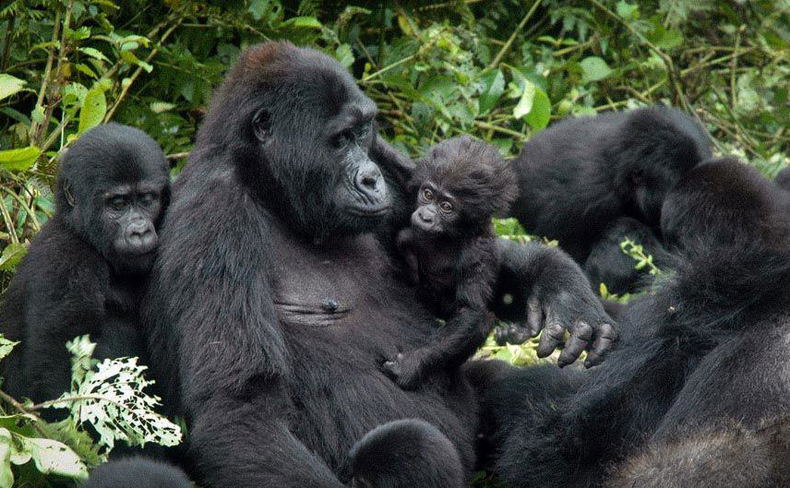
Visiting Uganda, the Pearl of Africa, is no doubt an exciting safari waiting to happen; this is your opportunity to see the entire continent crammed into a country so rich in biodiversity and with people so warm and welcoming. To ensure your journey is smooth, safe, and truly magical, here are the essential travel and safari tips every visitor should know before arriving.
1. Best Time to Visit
Uganda is a year-round destination thanks to its equatorial climate, but planning according to the season enhances your safari experience:
· Dry Seasons (December–February & June–September): Ideal for gorilla trekking, chimpanzee tracking, and savannah game drives. Trails are drier, and animals congregate around water sources.
· Wet Seasons (March–May & October–November): Great for birdwatching, lush green photography, and fewer crowds. Rates for lodges and safari packages may also be lower.
2. Health & Vaccination Requirements
Health preparations are vital for smooth entry and a comfortable stay in East Africa:
· Yellow Fever: A valid Yellow Fever vaccination certificate is mandatory for entry into Uganda for all incoming travelers.
· Malaria Precaution: Uganda is in a high-risk malaria zone. Consult your physician for anti-malarial prophylaxis and carry insect repellent containing DEET.
· Travel Insurance: Ensure you have comprehensive travel insurance covering emergency evacuation, medical care, and trip cancellations.
3. Packing Essentials for Trekking & Savannah
Packing light but smart makes a huge difference on safari:
· Gorilla & Primate Trekking: Sturdy waterproof hiking boots, long-sleeved shirts, lightweight trousers, garden gloves (for grip on thorny vegetation), rain jacket, and gaiters.
· Savannah Game Drives: Neutral-colored clothing (khaki, tan, olive green). Avoid bright colors or dark blue/black (which attract tsetse flies).
· General Gear: Wide-brimmed hat, UV sunglasses, sunscreen, high-powered binoculars, camera with extra batteries/memory cards, and a UK standard power adapter (Type G).
4. Visas, Currency & Payments
· E-Visa Application: All international travelers must apply and pay for their Ugandan Tourist Visa online before arrival via the official government portal.
· Currency: The official currency is the Ugandan Shilling (UGX). US Dollars (USD) and Euros are widely accepted for major tourism services, but bills MUST be printed after 2013 and free of tears or marks.
· Cash vs. Cards: Carry cash for tipping, local craft markets, and rural stops. Credit cards (Visa/Mastercard) are accepted at major hotels and lodges but often incur handling surcharges.
5. Cultural Etiquette & Wildlife Rules
· Photography Etiquette: Always ask for permission before taking photos of local community members. Photography of military or government installations is strictly prohibited.
· Tipping Culture: Tipping is customary for safari guides, park rangers, trackers, and lodge staff. It reflects good service and directly supports local livelihoods.
· Wildlife Rules: Maintain a minimum distance of 7 meters from primates. Never feed wild animals, keep your voice low during game drives, and pack out all trash.
Plan Your Dream Uganda Safari with MJ Safaris Uganda
Website: www.mjsafarisuganda.com | Email: info@mjsafarisuganda.com
What to wear
Pack some comfortable clothing that is not too tight, as Uganda is in the tropics and the weather is generally hot and humid. Stay away from blues as they tend to attract tsetse flies especially when you are out on a boat ride or game drive. It is pretty sensible to pack long sleeved shirts as they will protect you from severe sun burn and insect bites. Some parts of Uganda can be really cold like in Bwindi, it is smart to pack some light jackets or sweaters but avoid Camouflage because in Uganda it can get you arrested. One more essential to come with is a backpack to carry all your valuables and snacks you will need mostly on the walks.
What Gadgets to bring
Good binoculars and a good camera with a great telephoto lens can cause for a spectacular holiday. Carrying with you a professional type of Camera enhances your experience of watching the pride of lions in the savannah and can be an even greater experience for bird watchers. It is also wise to carry a camera with a bigger memory size; nothing ruins a great photo moment like the signal on your camera going ‘No memory!’ But most importantly do not be so focused on taking pictures to totally miss the Safari.
What Voltage of Plug to bring
The voltage in Uganda is 240 volts, so you will need a plug made in UK. Alternatively you can use a converter plug that you can manually fit. What would be even better is a laptop surge protector. Fluctuations in electrical service are common around Uganda known as blackouts. When power returns, it can come in a rush, rising significantly above standard household voltage levels to burn wires, overwhelm circuits and potentially cause damage to laptops. A surge protector diverts the extra voltage from a power surge to a ground wire; sparing harm to any connected electrical devices.
Medication and Insect repellant
In case you are taking medication, bring it with you and also do not forget to carry with you or to take your Malaria regiment. You will also need insect repellant especially in areas with tsetse flies; you can buy it online or some outdoor specialty shops. I would also advise you carry some antibiotics and Imodium just in case; you do not want to miss your Safari lying in the hotel room. However, consult your doctor or your local clinic about antibiotics and Imodium before taking any.
Mobile Phones
When travelling, it is much better to have an unlocked International Quad cell phone. On arrival you will need to purchase a sim card as the telecommunication companies use sim cards you will have to register that sim card with a passport size photo and ID and registration is free or you will be provided with the company registered sim cards to use temporarily on your tour depending on the availability.
Bring a Friend with you
It is so much cost effective to bring a friend or friends on tour. Solo Safaris cost higher while if you travelled with a friend expenses can be shared as well as experiences and laughter.
Share This Page